
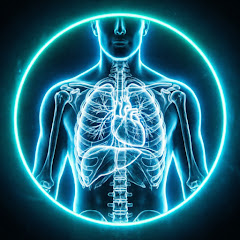
The Science of Ayahuasca and Peyote: Brain, Body, and Beyond
Many people mistakenly believe psychedelic plants are merely hallucinogens, but the reality involves intricate physiological and neurological processes within your body. These powerful plant medicines, revered for centuries in indigenous cultures, engage with our biology in profound ways, altering consciousness, perception, and emotional processing. Understanding the science reveals the mechanisms behind their transformative effects.
Ayahuasca: A Rapid Journey Through Your System
The ayahuasca brew begins its journey by moving down the esophagus and entering the stomach. Here, DMT molecules, derived from chacruna leaves, encounter MAO inhibitors from the ayahuasca vine. These inhibitors are crucial, as without them, stomach enzymes would immediately destroy the DMT. With MAO inhibitors present, DMT survives digestion and rapidly enters the bloodstream within minutes.
Once in the circulatory system, DMT molecules swiftly cross the blood-brain barrier. Inside the brain, DMT binds to serotonin receptors, particularly targeting the 5-HT2A receptor sites. This binding action intensely activates the visual cortex, instantly creating geometric patterns. Simultaneously, the default mode network, responsible for our sense of separate self, temporarily shuts down.
Ayahuasca, rich in alkaloids and various plant compounds, thus naturally affects your consciousness, perception, and emotional processing, initiating a profound internal experience.
Peyote: A Gradual Path with Distinctive Effects
The peyote cactus, while also a powerful plant medicine, operates through a different mechanism, though it ultimately leads to similar destinations of altered consciousness. When a mescaline button is consumed, it moves down the throat and enters the digestive system, where mescaline alkaloids gradually break down over several hours.
This slower absorption rate means peyote typically produces a gentler onset compared to ayahuasca. The mescaline molecules then enter the bloodstream and steadily travel toward the brain. Within the neural pathways, mescaline also targets serotonin receptors throughout the cortex.
With a structural similarity to dopamine, mescaline generates euphoric feelings and enhances sensory perception. The temporal lobe activates strongly, often producing mystical experiences and spiritual insights. Peyote, rich in phenethylamine compounds, naturally supports introspection, empathy, and the expansion of consciousness.
Shared Biological Mechanisms: Brain, Body, and Healing
Both ayahuasca and peyote trigger the pineal gland and significantly increase neural connectivity within the brain. During the experience, brain waves shift from beta to theta frequencies. Increased blood flow to the frontal regions means emotions and memories are processed differently than usual. The amygdala calms down while the hippocampus becomes more active simultaneously. This specific combination allows traumatic memories to surface without overwhelming fear responses, facilitating a unique form of emotional processing.
Beyond the brain, these plants also affect your gut microbiome and vagus nerve. The digestive system, with its high concentration of serotonin receptors, constantly communicates with the brain. The purging effect often associated with ayahuasca is not just physical; it cleanses your system and releases stored tensions. Both plants possess antimicrobial properties, potentially reducing harmful bacteria in the intestines.
Your body temperature can fluctuate as the hypothalamus responds directly to these alkaloids. The autonomic nervous system recalibrates itself, evidenced by delayed pupils and an altered heart rate. Typically, your liver metabolizes these compounds over 6-12 hours. The molecules then break down into inactive metabolites and gradually exit the body through urine.
The Lasting Impact: Neuroplasticity and Rebalancing
The effects of these plant medicines extend beyond the immediate experience. After the journey concludes, your brain exhibits increased neuroplasticity for weeks. This enhanced neuroplasticity means new neural connections are formed, allowing you to process information and emotions differently than before. Your serotonin system naturally rebalances within several days of the experience.
Rich in therapeutic potential and embodying ancient wisdom, these plant medicines naturally support healing, growth, and transformation. The changes initiated during the experience can lead to sustained shifts in perception and emotional regulation.
Frequently Asked Questions About Psychedelic Plant Medicines
How does ayahuasca avoid being destroyed by stomach enzymes?
Ayahuasca brew contains MAO inhibitors from the ayahuasca vine, which prevent stomach enzymes from immediately destroying the DMT molecules from chacruna leaves, allowing them to enter the bloodstream.
What is the main difference in onset between ayahuasca and peyote?
Ayahuasca has a rapid onset, with DMT entering the bloodstream within minutes due to MAO inhibitors. Peyote, with its slower breakdown of mescaline alkaloids in the stomach over several hours, produces a typically gentler onset.
How do these plants help process traumatic memories?
During the experience, the amygdala calms down while the hippocampus becomes more active. This combination allows traumatic memories to surface without triggering overwhelming fear responses, facilitating emotional processing.
Do ayahuasca and peyote affect gut health?
Yes, both plants affect the gut microbiome and vagus nerve. The digestive system, rich in serotonin receptors, communicates with the brain, and the plants possess antimicrobial properties that may reduce harmful intestinal bacteria.
What long-term changes can occur in the brain after the experience?
After the experience, the brain shows increased neuroplasticity for weeks, forming new neural connections that allow for different processing of information and emotions. The serotonin system also rebalances naturally.
Ancient Wisdom Meets Modern Neuroscience
The profound mechanisms observed within the brain and body during and after experiences with ayahuasca and peyote are not new discoveries. Indigenous peoples understood these complex interactions intuitively through centuries of ceremonial use, applying these medicines for healing and transformation. Modern neuroscience now provides scientific confirmation of what shamans and traditional healers have always known about consciousness and its capacity for healing. For a deeper dive into the intricate science behind these powerful plant medicines, watch the full video on InnerVision Anatomy.
This article is based on this video by InnerVision Anatomy. Written and published automatically with BlokStreams.
Comments
Be the first to comment.